
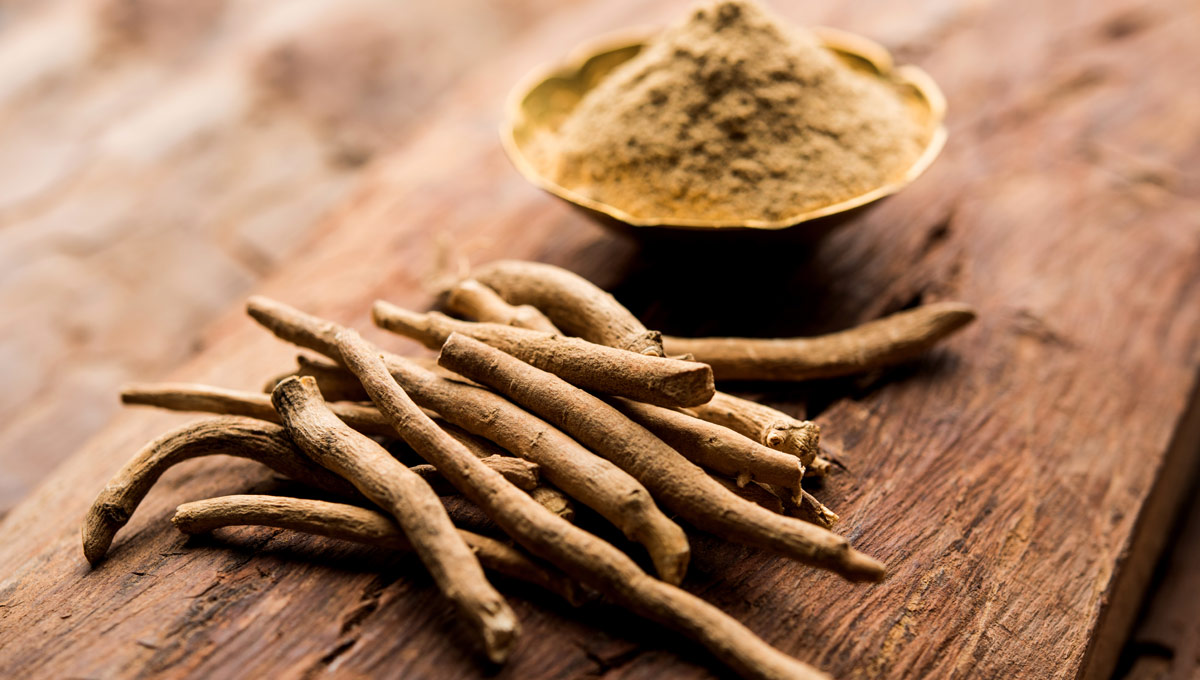
Ashwagandha
 Ashwagandha is the most commonly used herb for the Vata constitution, which is associated with air and space. Composed Vata energy helps maintain supple skin and joints, a healthy body weight, vitality, healthy cognitive function, and a healthy nervous system.
Ashwagandha is a Traditional tonic for memory, vitality, and hormonal function, which cares about balanced Vata energy.
Ashwagandhacomprisesvery useful phytochemical constituents, including steroidal lactones such as withanolides, alkaloids, flavonoids, fatty acids, choline, and amino acids. Withanolides are a vital set of the key bioactive components of Ashwagandha.
 In Ayurvedamedication, Ashwagandha is valued as an aphrodisiac and is used to treat sexual dysfunction and infertility in men. According to the Ayurvedic philosophy, one of the most vital benefits of Ashwagandha is the ability to arouse and regulate testosterone production in the body. Holding healthy levels of testosterone is essential to men’s health.
Telomeres are particular DNA arrangements that form caps at the end of our chromosomes and are careful to be important aging markers. In research conducted, Ashwagandha was recognized to increase telomerase activity in HeLa cell cultures and thus boost longevity.
Here are few aids of Ashwagandha according to scientific studies conducted;
1. Increasingof testosterone and multiples fertility in men
Ashwagandha has influential effects on testosterone levels and the reproductive health process. A study conducted among 75 infertile men, the group treated with Ashwagandha results witnessed an increase in sperm count and motility. The research found the group that consumed this herb developed an increasing trend in antioxidant levels in their blood. The other study finding is that after 3 months of continuous consumption of the herb, men have successfully impregnated their partners. Ashwagandha increases testosterone levels and significantly improves sperm quality and fertility in men.
2. Lowering blood sugar levels.
In varied studies, Ashwagandha tends to lower blood sugar levels. One test-tube study conducted showed improved insulin secretion and insulin sensitivity in muscle cells. Both diabetes and healthy people have seen their blood sugar levels decrease according to research studies. Ashwagandha administered people fasting blood sugar level showed 13.5 mg/dL as compared with 4.5 dL of those who received a Placebo. Few indications suggest that ashwagandha reduces blood sugar levels and sensitivity.
3. May possess anticancer properties.
It also blocks the growth of new cancer cells in numerous ways. Animal studies suggest that it may help treat several types of cancer, including breast, lung, colon, brain, and ovarian cancer. Although no clue suggests that Ashwagandha applies similar effects in humans, the present research is heartening. The study comes out shows withaferin, a bioactive compound in Ashwagandha, emboldens the death of tumor cells and might be effective against several types of cancer.
4. May decrease cortisol levels.
Due to stress adrenal glands release Cortisol hormone, resultant will be very lower blood sugar level. Studies conducted so far show Ashwagandha can help reduce cortisol levels. Those who took the highest dose experienced a 30% reduction, on average. Ashwagandha enrichments can help lower cortisol levels in usually stressed individuals.
5. Reduces stress and anxiety.
Ashwagandha has the ability to reduce stress. Various studies showed it can reduce signs in people with stress and anxiety disorders. 6-week conducted a study, 88% of people who took Ashwagandha reported a lessening in anxiety, compared with 50% of those who took a placebo. Ashwagandha lessens stress and anxiety in both animal and human conducted studies.
6. Reduces symptoms of depression.
Few readings suggest Ashwagandha helps in alleviating depression. Ashwagandha high – concentration extract 600 mg per day consumed persons reported a 79% decrease in stark depression, wherein the placebo group reported a 10% increase. Limited research studies conducted suggest that Ashwagandha reduces depression.
7. An ancient medicinal herb.
Ashwagandha is the most vital herb in Ayurveda, a form of alternative medicine based on Indian principles of natural healing. AshwagandhaSanskrit word means the smell of the horse; it implies both its unique smell and ability to increase strength. Its botanical name is Withaniasomnifera, also known as Indian ginseng and winter cherry. Ashwagandhamanifest herb in Indian Ayurveda medicine and turned out to be a popular supplement due to its health benefits.
8. Escalationof muscle mass and strength.
Research shows Ashwagandhacan improves body composition and increases strength. In an alternative study, those who consumed Ashwagandha had pointedly greater gains in muscle strength and size. It has more than doubled their reductions in body fat percentage, compared with the placebo group. Ashwagandha has been shown to upsurge muscle mass, reduce body fat, and increase strength in men.
9. Inflammation reduction.
Several animal studies have shown that Ashwagandha helps to lessen inflammation. Studies in humans found that it upsurges the activity of natural killer cells, which are immune cells that fight infection and help all stay healthy. It declines markers of inflammation, such as C-reactive protein (CRP). This marker is connected to an increased risk of heart disease. In one measured study, the group who took 250 mg of standardized Ashwagandhaabstract daily had a 36% decline in CRP, on average, compared with a 6% reduction in the placebo group.
10. Lowering cholesterol and triglycerides.
Ashwagandha powder helps improve heart health by dropping cholesterol and triglyceride levels. One study in mice found that it lowered total cholesterol and triglyceride levels by 53% and nearly 45%, respectively. Ashwagandha can help decrease the risk of heart disease by decreasing cholesterol and triglyceride levels.
11. Can progress brain function, including memory.
Test-tube and animal studies suggest that Ashwagandha may alleviate memory and brain function problems caused by injury or disease. Research has shown that it kindles antioxidant activity that defends nerve cells from destructive free radicals. An 8-week study conducted on 50 adults displayed that taking 300 mg of Ashwagandha root extract twice daily pointedly improved general memory, task performance, and attention. Ashwagandhaenrichments may improve brain function, memory, reaction time, and the ability to execute tasks.
12. People friendly and widely available.
Ashwagandha is a harmless supplement for most people. People with autoimmune diseases must also avoid Ashwagandha unless certified by a healthcare provider. This includes persons with conditions like rheumatoid arthritis, lupus, Hashimoto’s thyroiditis, and type 1 diabetes. It can also decrease blood sugar and blood pressure levels, so medicine dosages can be adjusted if anyone takes them. The bottom line Ashwagandha is an antique medicinal herb with numerous health benefits. It can lessen anxiety and stress, help fight depression, increase fertility and testosterone in men, and even lift brain function.





Leave a Reply